

Once the location has been chosen, the next step is to cut a hole in the wall or other surface where the face plate will be installed. This can be done using a drywall saw or other cutting tool. It is important to make sure that the hole is the correct size for the face plate that will be installed.
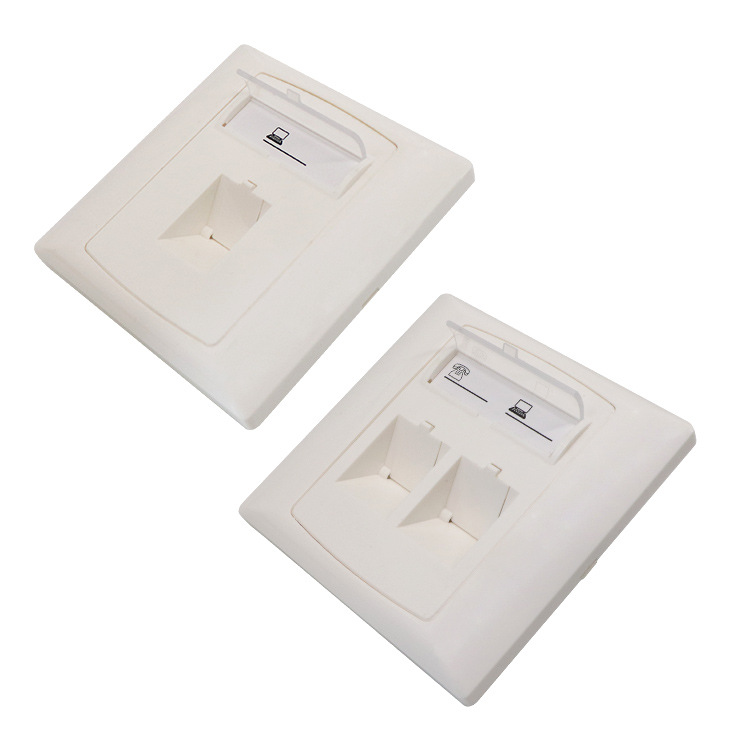
After the hole has been cut, the next step is to attach the face plate to the wall or other surface. This is typically done using screws or other mounting hardware that is included with the face plate. It is important to make sure that the face plate is securely attached to the wall or other surface to prevent it from coming loose.
Once the face plate has been attached, the next step is to route the Ethernet cable through the wall or other surface and connect it to the face plate. This can be done using a fish tape or other tool to guide the cable through the wall. Once the cable has been routed to the face plate, it can be connected to the appropriate port on the face plate.
Overall, installation of Ethernet wall mounted face plates is a simple process that can be done by anyone with basic DIY skills. By following these simple steps, users can enjoy the benefits of a neat and organized network connection that is easily accessible and customizable to their specific needs.